Strategy
Development through the leader method
Leader Mälardalen's development strategy has been developed with broad support in the area, as you who live, work, and operate here know best what is needed to develop your place. In the strategy process, we have worked according to the leader method by including representatives from the public, private, and non-profit sectors, a good local anchoring, and a clear bottom-up perspective. We have agreed on vision, goals, focus areas, and indicators. Furthermore, we have also developed basic conditions and selection criteria for projects.
A thriving and sustainable Leader area with good quality of life,
created through collaboration and local engagement.
Together, we have developed Leader Mälardalen's vision in the strategy process for the operational period 2023-2027. As indicated by the wording, how we will achieve the vision is as important as what is to be achieved. All of Leader Mälardalen's activities and all projects that are granted support by Leader Mälardalen shall be implemented using the leader method and contribute to achieving our vision.
Our goals
Leader Mälardalen has identified three overarching goals to work towards to achieve our vision.
More attractive and smarter rural areas
By smarter rural areas, we simply mean more sustainable, resilient, and resource-efficient local communities with the ability to collaborate on local solutions.
Increased participation
Increased participation concerns, among other things, improved social inclusion. Regardless of, for example, gender, age, ethnicity, or functional variation, everyone should be able to participate in society on equal terms based on their conditions.
Increased participation also involves expanded engagement in the development of society, primarily locally, but also at a more overarching level.
Strengthened entrepreneurship and business
The goal also concerns people's developed entrepreneurial skills, not only related to traditional business but also to improved innovation capacity and creativity.
Our focus areas
To achieve the goals in the strategy, we have identified three focus areas within which all our activities will take place. To be granted support from Leader Mälardalen, a project must therefore be implemented within one of the three focus areas. Projects within all focus areas can contribute to fulfilling all the goals in the strategy.
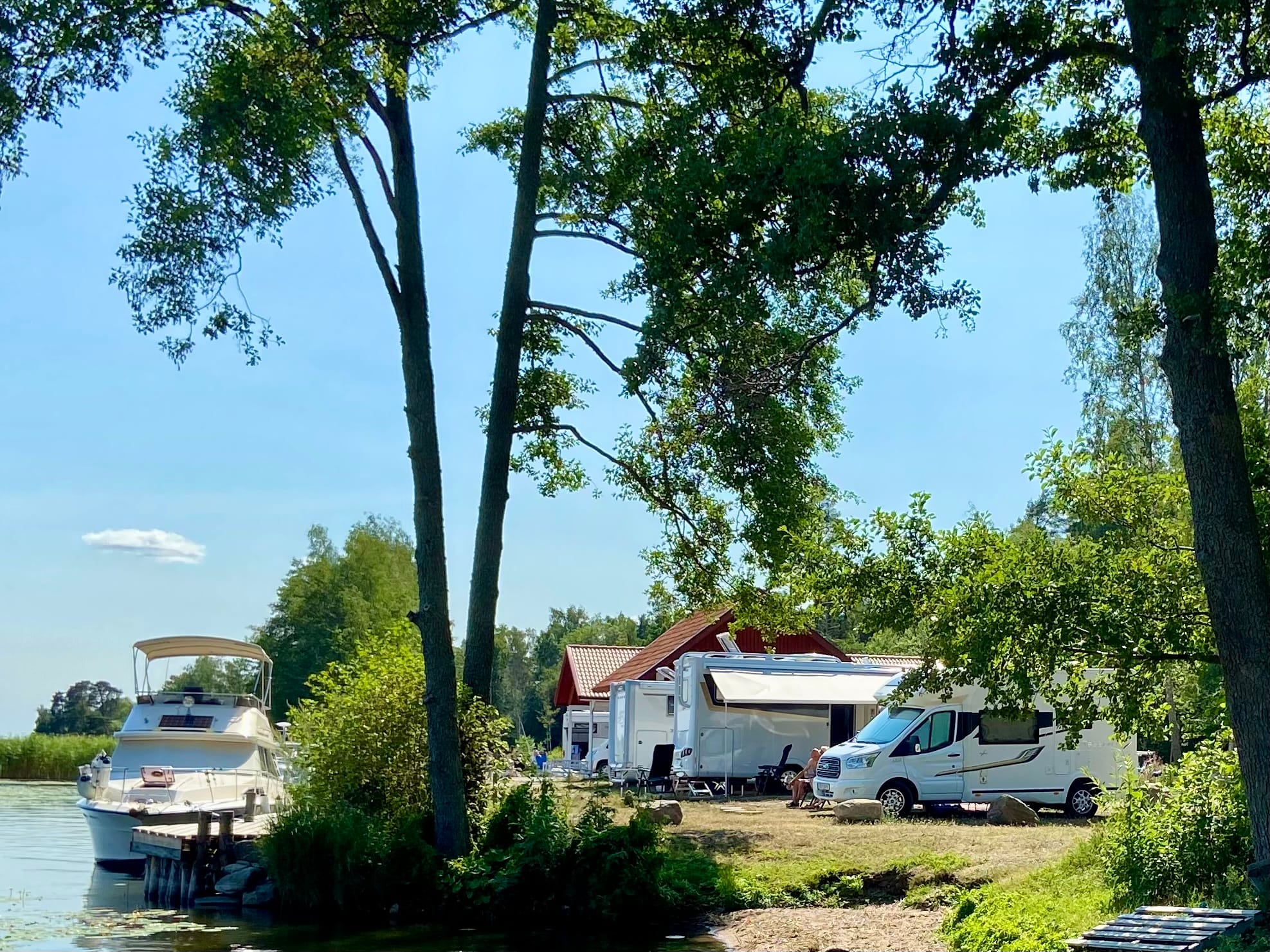
Attractive and smart rural areas
Within the focus area, there are also initiatives for strengthened connections and reduced polarization between urban and rural areas. Here we also see initiatives within the EU's concept of Smart Villages, which is strongly linked to the Leader method. Smart Villages are about investments in innovative and creative solutions to local problems and challenges, as well as initiatives for smart use of new technology and digitalization to achieve sustainable local development.
Participation
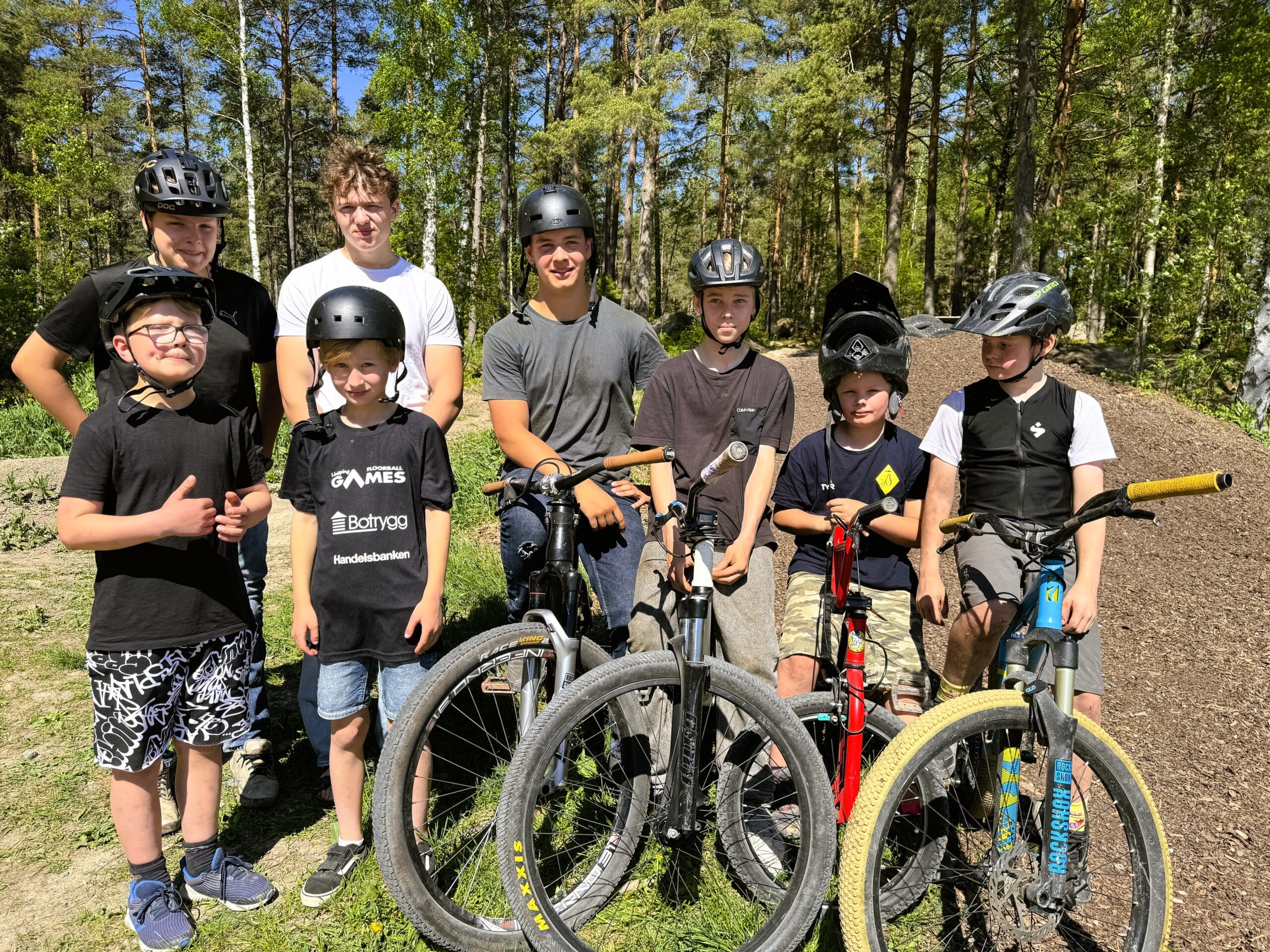
Within the focus area Participation includes initiatives aimed at improving social inclusion in the Leader area, that is, initiatives aimed at ensuring that all people – regardless of, for example, gender, age, ethnicity, or disability – can participate in society on equal terms based on their own conditions.
Within the focus area, we also see targeted initiatives for young people. Projects aimed at building networks and creating engagement and participation in local development and projects for democracy development are also included under this focus area.
Entrepreneurship and business
Within the focus area Entrepreneurship and business includes both initiatives to develop existing businesses and to increase entrepreneurship. Development must always take place in a long-term sustainable manner. Various business development initiatives within the environmental and climate area also fit within the focus area, as do projects to promote increased collaboration and new forms of cooperation between businesses.
Here, initiatives to develop people's entrepreneurial skills and to promote innovation and creativity among people are also included.
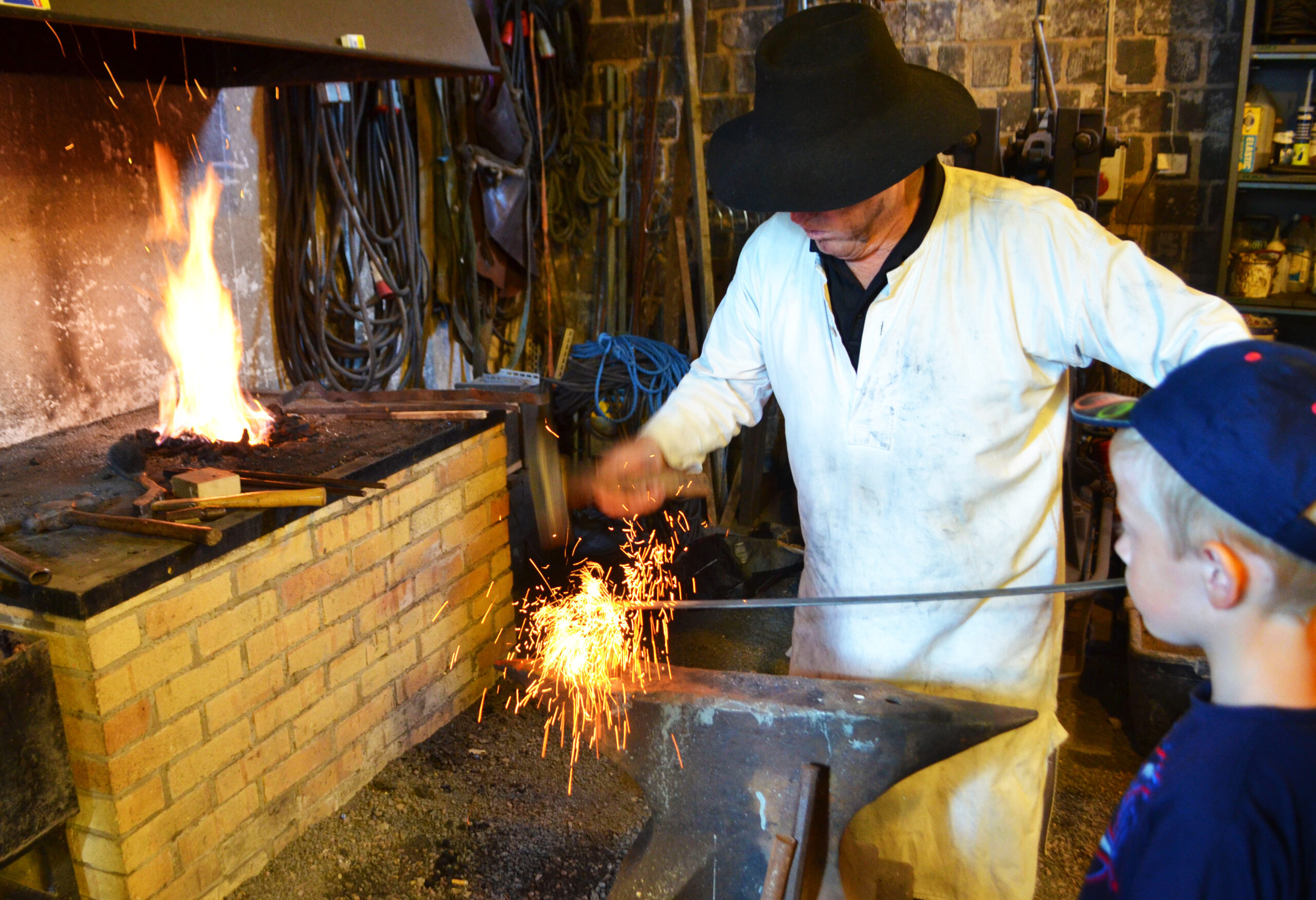
Photo: Hallstahammar Municipality
Our indicators
To measure how well the projects contribute to achieving the goals of the strategy, we use nine indicators. All indicators are used to measure all goals.

Environmental and climate projects
We measure environmental and climate projects in terms of the number of projects that contribute to environmental sustainability and the limitation of and adaptation to climate change in rural areas.
New employment
Measured in the number of new annual work positions that should have been created by the end of the project.
New meeting places
Measured in the number of physical or digital meeting places created through the project that are assessed to be sustainable after the project ends. For example, local heritage centers or Facebook groups.
New leisure and cultural activities
Measured by the number of leisure and cultural activities created through the project and that are assessed to be sustainable after the project ends. For example, new youth activities, theater groups, or language cafés.
New networks and collaborations
Measured by the number of networks or collaborations with at least two actors, created through the project and that are assessed to be sustainable after the project ends.
Preserved meeting places
Measured by the number of physical or virtual meeting places that would have ceased to exist if the project had not been implemented.
Preserved leisure and cultural activities
Measured by the number of leisure and cultural activities that have been further developed and/or would have ceased if the project had not been implemented.
Expanded networks
Measured by the number of networks between at least two parties, that have been expanded with new members through the project and that are assessed to remain active after the project ends.
Recurring events
Measured by the number of events such as festivals, competitions, theme days, or other larger activities that have been added through the project, with the aim of becoming recurring.


An obvious part of our strategy to contribute to the global goals
We consider the three dimensions of sustainable development (ecological, social, and economic sustainability) in everything we do. In the development of our strategy and also practically in our daily work. We work location-independent to reduce car travel and primarily have digital meetings, although we believe it is important for the project to have a physical meeting. We require our applicants to consider the three dimensions of sustainability and to contribute to one of the dimensions.
Ecological sustainability includes improving the quality of the environment by, for example, promoting biodiversity and reducing climate impact. It can involve transport options, reuse, choice of materials, as well as active efforts to preserve biodiversity.
Social sustainability is about equal treatment, non-discrimination, and gender equality. We promote this, for example, by being gender-inclusive, through inclusion and participation regardless of gender, ethnic origin, religion, disability, age, or sexual orientation.
Economic sustainability means balanced growth that neither destroys natural resources nor increases debts, but through effective reuse and use of renewable natural resources. It is about ensuring that the economic system and growth do not hinder ecological and social sustainability, and about finding new, fair, and resource-efficient business models and areas of development.